
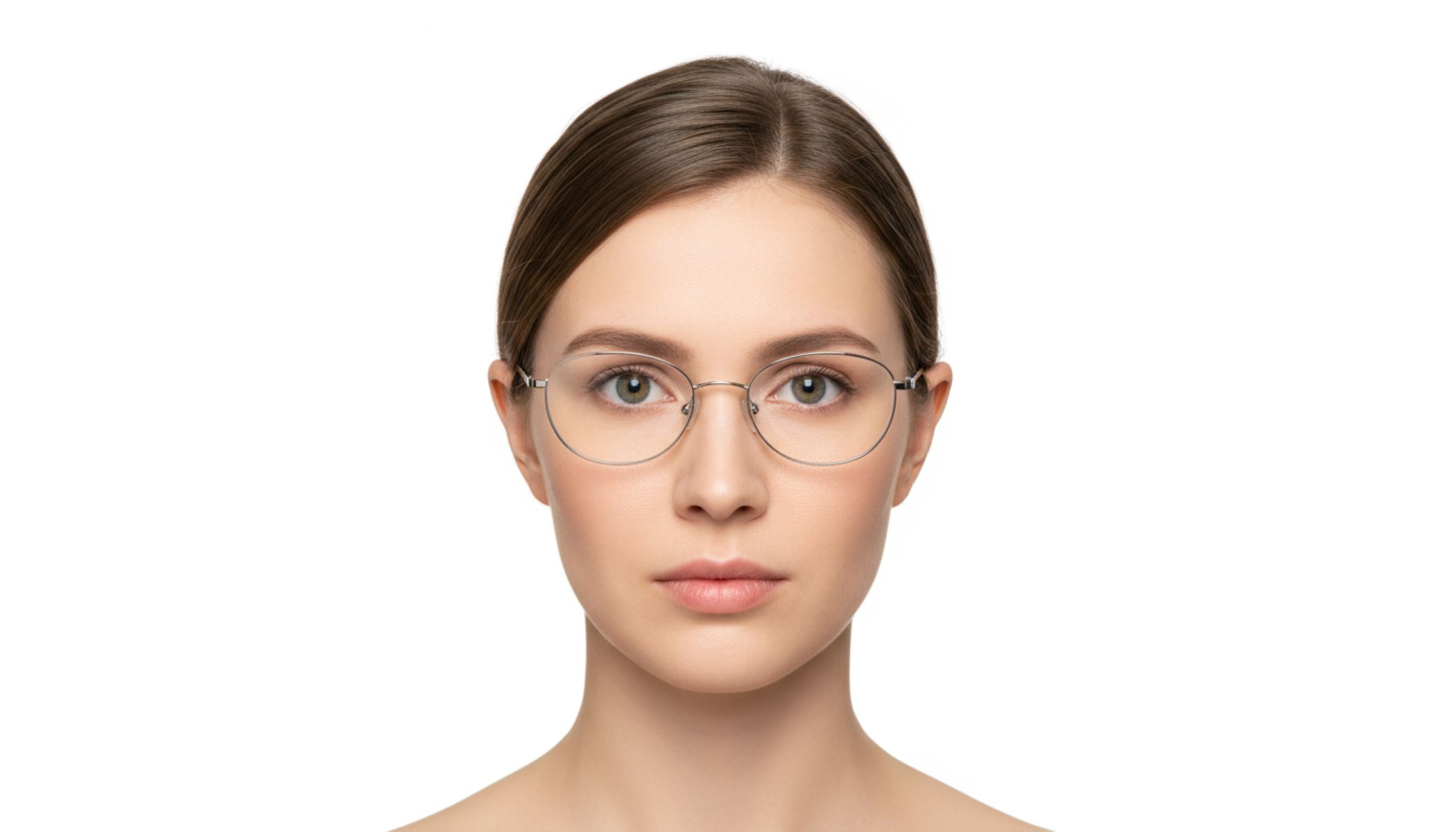
Have you ever stopped to think about how much weight a single photo carries in your life? That small square image on your passport, visa, or ID isn’t just a picture—it’s a gateway to travel, banking, and countless legal processes. One small mistake, like wearing the wrong pair of glasses, can cause your photo to be rejected and your application delayed. When it comes to official document photos, rules are strict. Countries and institutions have specific guidelines, and one of the most confusing ones is about glasses. Can you wear them, or should you take them off? Let’s break it down step by step.
The General Rule: Glasses Are Usually Not Allowed
When it comes to official document photos, the general expectation today is clear: glasses should usually be left off. This rule gained serious traction after 2016, when the U.S. Department of State implemented a ban on glasses in passport photos to improve the accuracy of facial recognition technology. The move wasn’t arbitrary—technology systems that read and verify faces often struggle with reflections and distortions caused by eyeglasses. Since the U.S. set this standard, many other countries followed suit, recognizing that even minor glare or frame obstruction could lead to photo rejections or processing delays.
Glasses create several challenges for biometric systems. Clear lenses, which seem harmless, can still reflect light from flash photography or bright backgrounds, creating tiny hotspots over the eyes. Thicker frames, dark rims, or uniquely shaped glasses can block crucial facial features, such as the contours of the eyes or eyebrows. Even small shadows cast by the frames can confuse automated systems, making it harder to match the photo to your actual appearance. In short, what seems like a simple accessory can quickly become a major problem for official identification purposes.
Another reason authorities discourage glasses is consistency. Document photos are meant to represent your face clearly and universally. Changes in eyewear style, lens tint, or frame size over time can alter your appearance enough to cause mismatches in digital databases. By requiring photos without glasses, governments ensure that the image used for passports, visas, or ID cards remains consistent and verifiable across multiple contexts, from airport security to law enforcement.
That said, there are exceptions to the no-glasses rule. Some authorities will allow glasses if they are medically necessary or if the lenses are perfectly clear and free of glare. Often, documentation such as a doctor’s note is required to justify the inclusion of glasses. Even then, applicants must ensure that their eyes remain fully visible and that frames don’t obscure any part of the face. While the general rule is strict, understanding these exceptions can help applicants navigate the process without unnecessary rejections or delays.
Why Authorities Care About Glasses in Photos
- Glare and reflections from glasses can make it extremely difficult for both humans and facial recognition software to accurately identify your eyes. Even a small reflection from lighting can distort eye shape and position, which are critical markers used in biometric verification.
- Frames, especially thick or dark ones, can block portions of the face, including the corners of the eyes, eyebrows, and upper cheekbones. This obstruction interferes with facial mapping and reduces the photo’s clarity, making identification less reliable.
- Tinted, transition, or prescription lenses that darken under light can appear like sunglasses. Sunglass-like appearances obscure the eyes and create confusion in automated systems designed to capture natural facial features.
- Shadows caused by glasses can distort the natural contours of your face. Even subtle shadows along the nose bridge or around the eyes can alter the apparent shape of your features, potentially causing mismatches in databases.
- Glasses can introduce asymmetry in photos. Light may reflect differently off each lens, or frames may sit unevenly on the face, creating a distorted perception of facial structure. This makes it harder for automated systems to verify your identity.
- Any obstruction or alteration caused by glasses reduces the overall reliability of your photo as a legal and official identifier. Authorities prioritize photos that reflect your natural appearance, free from distractions or accessories that might compromise accuracy.
- Facial recognition technology relies heavily on consistent and unobstructed reference points. Accessories like glasses interfere with these reference points, increasing the likelihood that your application will require additional verification or resubmission.
- Even minor visual distractions in a document photo can lead to delays or outright rejection. Authorities enforce strict rules because they need every photo to match the applicant’s real appearance in both human and digital verification processes.
- Beyond technology, clear and unobstructed photos help human examiners quickly and confidently verify identities without ambiguity. Glasses, reflections, or shadows introduce uncertainty that agencies prefer to eliminate altogether.
- Ultimately, anything that hides, distorts, or changes your facial features—no matter how subtle—reduces the effectiveness of your document photo as a reliable means of identification.
When Glasses Might Be Allowed
| Condition | Explanation | Requirements | Examples | Notes |
| Medically Necessary | Glasses are required for health or vision reasons, such as post-surgery recovery or eye conditions. | A signed doctor’s certificate or medical note is usually needed. | Prescription glasses after cataract surgery, or corrective lenses for severe vision impairment. | Authorities may review medical proof before approving photo submission. |
| No Glare or Shadow | Lenses must not reflect light or cast shadows that obscure facial features. | Use anti-reflective coatings or adjust lighting during photography. | Clear lenses in controlled lighting environments. | Even slight glare can cause rejection; studio lighting often helps. |
| Thin Frames | Frames should be light, narrow, and not cover any part of the eyes or eyebrows. | Avoid thick, bold, or dark frames that block facial features. | Rimless glasses or minimalist metal frames. | Frames that partially cover the eyes can lead to resubmission requests. |
| Clear Lenses | Lenses must be fully transparent, with no tint, transition, or color. | Remove sunglasses or tinted lenses completely. | Everyday clear prescription lenses. | Any tint can interfere with eye visibility, making the photo unacceptable. |
| Full Eye Visibility | Eyes must be fully visible, unobstructed by lenses, frames, or hair. | Position glasses properly, ensure hair is tucked behind ears, and maintain straight head posture. | Standard photo pose with direct eye contact. | This is crucial for both human verification and facial recognition software. |
Country-Specific Rules on Glasses in Document Photos
When it comes to glasses in document photos, rules vary significantly from country to country, and it’s crucial to know the specifics before submitting your application. In the United States, for example, glasses have been banned in passport photos since 2016 to improve facial recognition accuracy. Submitting a photo with glasses can lead to outright rejection, requiring applicants to retake the image. This strict approach reflects the priority given to clear, unobstructed facial images for international travel.
In contrast, countries like the United Kingdom, Canada, India, and Australia allow glasses in passport photos, but under strict conditions. The main requirement across these nations is that the eyes must be fully visible without glare or reflections. Thin frames and clear lenses are usually acceptable, but thick frames, tinted lenses, or heavy reflections can lead to rejection. Even if the photo meets general criteria, border control or document verification systems may still scrutinize it closely to ensure consistency with biometric standards.
European Union countries and Schengen visa authorities follow similar rules, emphasizing unobstructed facial visibility. While glasses are generally allowed, applicants must ensure no shadows, reflections, or obstructions appear in the photo. This approach balances practical flexibility—acknowledging that many people wear glasses regularly—with the need to maintain high security and accuracy standards in official document verification. Even subtle deviations from the rules, such as a slight glare on one lens, can result in delays or requests for resubmission.
Some countries, however, maintain a stricter stance. Japan and China, for instance, strongly discourage or outright ban glasses in passport photos. In these regions, authorities prioritize a completely unobstructed view of the face, reflecting both technological requirements for facial recognition and traditional photo standards. Applicants planning travel or document submissions to these countries must prepare by removing glasses entirely, ensuring that their facial features are clearly visible, and avoiding any accidental shadows or reflections that might compromise photo acceptance.
Passport Photos and Glasses: The Stricter Standard
- Passport photos are subject to international scrutiny, meaning every image must be clear and accurate for global border control systems. Any obstruction, including glasses, can interfere with this process.
- Biometric checks at airports and border crossings rely heavily on precise facial features. Reflections, glare, or frames from glasses can distort these features and make identification slower or error-prone.
- Even if your local passport office permits glasses, automated systems at other countries’ borders may reject the photo, causing delays, additional verification, or even denial of entry.
- Wearing glasses in a passport photo can lead to frustrating travel experiences, including being pulled aside for manual checks or having to provide additional identification.
- Glasses can create visual inconsistencies with your real-life appearance. If your everyday look includes glasses but the photo doesn’t, biometric systems and human officers may still encounter mismatches due to glare or partial obstructions.
- Removing glasses ensures full visibility of your eyes and facial contours, which is crucial for both human examiners and facial recognition technology.
- Passport authorities prioritize unobstructed, standardized photos to maintain consistency across millions of travelers worldwide. Any accessory, even if common like glasses, introduces unnecessary risk.
- By following the stricter no-glasses standard, applicants minimize the chance of rejection and speed up processing times, ensuring smoother travel experiences.
- Even minor issues like slight frame shadows or reflections can trigger rejections. Avoiding glasses completely removes this risk.
- Ultimately, a photo without glasses provides the most accurate, reliable, and universally accepted representation of your face for international travel purposes.
Driver’s License and ID Cards: More Flexibility
| Document Type | Glasses Allowed? | Requirements | Examples | Notes |
| Driver’s License | Yes | Eyes must be fully visible; avoid tinted or dark lenses | Thin-framed prescription glasses, clear lenses | Local authorities may prefer your everyday look for easier identification |
| National ID Card | Yes | Frames should be light and unobtrusive; no glare or shadows | Rimless glasses or minimal metal frames | Ensures ID matches real-life appearance for official checks |
| Student ID | Yes | Eyes visible, no heavy frames, clear lenses | Regular school or university ID photos | Flexibility helps students maintain their normal appearance |
| Workplace ID | Yes | Glasses allowed if necessary; avoid reflections | Office ID badge photos with daily-wear glasses | May be mandatory if your role requires eyewear for safety or vision |
| Local Resident Cards | Yes | Eyes must remain unobstructed; thin frames recommended | Community or municipal ID photos | Focus on realistic representation; tinted lenses usually rejected |
Visas: Country-to-Country Differences
Visa photo requirements can be surprisingly different depending on the country or embassy handling your application. While some nations follow strict rules similar to passport regulations, others allow more flexibility. This variation makes it essential for applicants to research specific embassy guidelines before submitting a photo, rather than assuming that rules are universal. A simple oversight, like wearing glasses that aren’t allowed, can result in rejection and delays in your visa processing.
For Schengen visas, glasses are generally permitted, but only under strict conditions. Applicants must ensure that eyes are fully visible, lenses are clear, and frames do not obscure any facial features. Even minor reflections or shadows can cause issues, so careful attention to lighting and lens clarity is critical. Some embassies may also require that glasses be minimalistic in design to avoid obstructing the face.
In contrast, U.S. visa photos follow the same strict guidelines as U.S. passports: glasses are prohibited. Any photo submitted with glasses will typically be rejected, and applicants must resubmit a compliant photo. This rule exists to maintain consistency with biometric systems used in border control and to minimize errors in automated facial recognition software. Travelers applying for U.S. visas must take special care to remove glasses entirely when taking their photo.
Middle Eastern countries, however, tend to have more flexible rules, allowing glasses as long as the eyes are clearly visible. In these cases, thin frames and clear lenses are generally acceptable. Nevertheless, applicants should double-check embassy-specific instructions, as rules can differ significantly between neighboring nations or even between different consulates within the same country. Staying informed prevents unnecessary resubmissions and ensures a smoother visa application process.